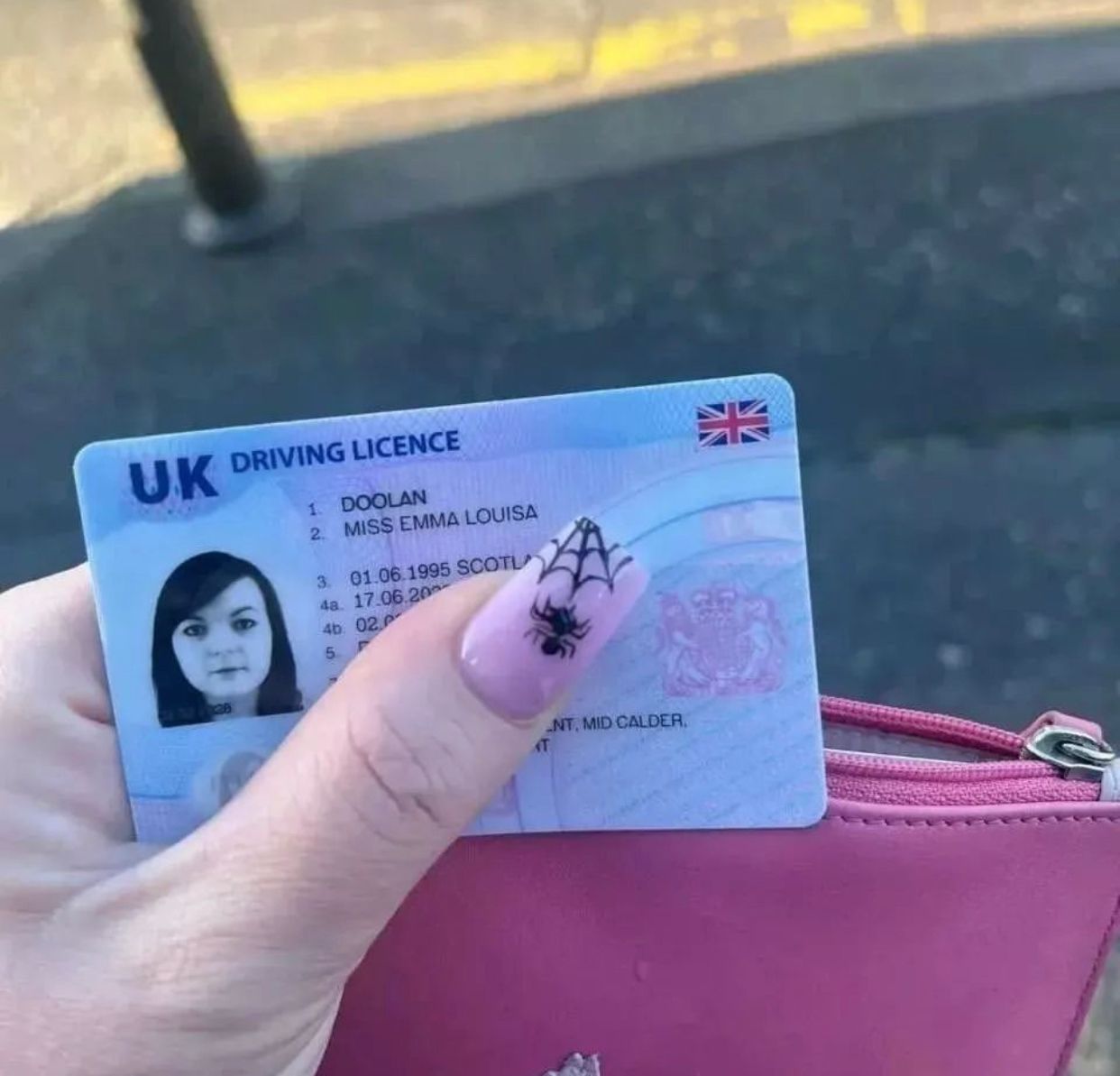
Understanding Drivers Licenses: An In-Depth Guide
A driver's license is more than just a card that allows individuals to operate motor lorries; it acts as an important identification file and legal evidence of a driver's capability to safely browse the roadways. This blog site post will dive deep into various aspects of driver's licenses-- what they are, the types readily available, the procedure of obtaining one, and often asked questions.
What is a Driver's License?
A driver's license is a government-issued file that licenses a specific as being skilled to run a motor automobile. It not just enables for the legal operation of automobiles but also serves as an important recognition tool across different sectors.
Types of Driver's Licenses
There are several types of driver's licenses, each catering to various requirements and requirements based upon automobile type, age, and function of driving. Below is a table summing up the typical types of licenses:
| License Type | Description | Age Requirement |
|---|---|---|
| Class A | Needed to run heavy trucks/trailers | 18 years and older |
| Class B | Needed for medium-sized cars (e.g., buses) | 18 years and older |
| Class C | Requirement license for individual lorries | 16 years and older |
| Class D | Used for bikes | Varies by state |
| Student's Permit | Momentary approval for brand-new drivers | Normally 15-16 years |
| Industrial License | Permits for driving business lorries | 18 years and older |
The Process of Obtaining a Driver's License
Getting a driver's license can differ substantially from one state or nation to another, but the general process tends to follow similar actions. Below is a simplified list of common actions included:
- Check Eligibility: Ensure that you meet the age and health requirements.
- Get a Learner's Permit: Most locations need new drivers to first get a student's permit, which permits for supervised driving.
- Complete Driver's Education: Take a driver's education course, if required by your state.
- Practice Driving: Accumulate the essential hours of supervised driving experience.
- Arrange a Road Test: Book a consultation to take the driving test.
- Pass the Road Test: Successfully demonstrate your driving capabilities.
- Get the License: After passing, you'll receive your driver's license.
Requirements for Each Step
| Step | Requirements |
|---|---|
| Examine Eligibility | Evidence of age, identification, and residency |
| Student's Permit | Pass a composed test, pay fees |
| Driver's Education | Completion of course and any needed tests |
| Practice Driving | Minimum hours logged with a certified driver |
| Roadway Test | Automobile in excellent condition, proof of insurance coverage |
| Receive License | Payment of costs, submission of required files |
Keeping a Driver's License
Once a driver's license is gotten, it is essential to maintain its credibility. This consists of:
- Renewal: Keeping track of the expiration date and restoring the license on time.
- Upgrading Personal Information: Reporting any modifications in address, name, or medical conditions.
- Complying With Traffic Laws: Following traffic guidelines to prevent suspensions and penalties.
Benefits of Having a Driver's License
Holding a driver's license comes with numerous advantages:
- Independence and Freedom: A license supplies individuals with the capability to take a trip independently.
- Work Opportunities: Many tasks need a legitimate driver's license, particularly in fields involving travel.
- Recognition: A driver's license is widely accepted as a form of recognition.
- Access to More Services: Driving can result in better access to services that may not be obtainable through public transportation.
Frequently Asked Questions (FAQ)
1. What documents do I need to look for a driver's license?
You usually need evidence of identity (e.g., birth certificate, passport), residency, and Social Security number. Extra files may be needed based on your location.
2. How can I renew my driver's license?
Renewal processes vary by state however generally involve submitting an application kind, supplying recognition files, and paying a renewal cost. Numerous states offer online renewal.
3. Can I drive with a learner's permit alone?
No, a learner's license needs that you be accompanied by a licensed adult at all times while driving.
4. How frequently do I require to restore my driver's license?
The renewal frequency depends upon your state guidelines. This could range from every 4 to 10 years.
5. What should I do if I lose my driver's license?
You need to report the loss to the Department of Motor Vehicles (DMV) or a comparable firm and look for a replacement.
6. Is Buy UK Driving Licence to get an international driver's license?
Yes, a worldwide driver's license can be acquired in addition to your regular driver's license for travel purposes outside your home country.
A driver's license is a vital property for numerous people. It provides not only the ability to drive but likewise works as a crucial type of recognition and gateway to different chances. Understanding the different kinds of licenses, the requisite steps to acquire one, and the duties involved in maintaining it is important for anybody wanting to strike the roadway lawfully. By adhering to guidelines and guidelines, individuals can make sure safe and responsible driving, benefiting not just themselves however likewise their neighborhood at large.